

How to Explore Torres del Paine as a Family: Expert Advice and First-Hand Insights

December 1, 2025
Written by Paul Jones – Founder and Travel Expert at Totally Latin America; a travel company dedicated to immersive and rewarding travel experiences in Latin America.
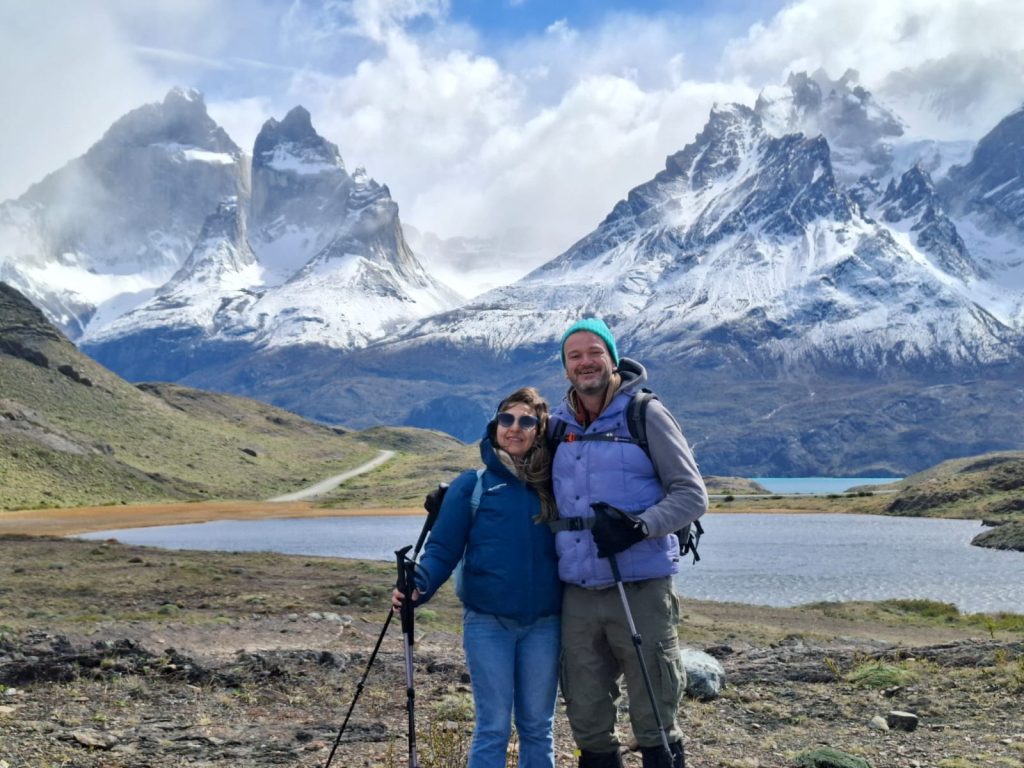
Having spent many years travelling extensively throughout Latin America, few places have captured my heart quite like Patagonia—and especially Torres del Paine National Park. This remarkable region feels like one of the last true frontiers of untouched nature, where remote landscapes, dramatic weather, and iconic granite peaks create an atmosphere unlike anywhere else on earth. This year, I felt it was time to share this incredible place with my own family. So, my wife and I, along with our two children (11 and 14), planned a journey that blended adventure, comfort, and meaningful time together.
In this article, allow me to offer some basic information on how to approach a family trip to Torres del Paine, and also to share our first-hand experience—what worked, what surprised us, and what truly made the trip memorable—so that you, too, can create magical moments in Torres del Paine with your family and loved ones.
When to Travel
Torres del Paine, located in the far south of Chile, is technically open year-round, but the reality for families is a bit different. Most hotels, lodges, navigations, and services close from mid-May to September, when colder temperatures, strong winds, and limited daylight hours make exploring the park more challenging. Many hiking trails shut during this period, and popular excursions—such as boat trips to Glacier Grey and the Serrano Glaciers—stop operating altogether.
For the best conditions, families should plan to visit between October and April, when weather is more stable and services are fully available. Keep in mind that December through March is peak season, bringing higher prices and greater demand. For better value—especially important when travelling with groups/families—the shoulder months (October to mid-December and April) offer more affordable rates and fewer crowds, without compromising the experience.
Summary:
- Best to travel from October to May
- Many treks, excursions and lodges are closed from June through September
- October – mid-December and April – May are more cost-effective months to travel
Where to Stay
When planning a family visit to Torres del Paine, you essentially have two location options: staying in the town of Puerto Natales, about a 1 hour 40-minute drive from the park, or choosing a lodge or hotel located within or just outside the park gates.
Staying in Puerto Natales offers a wide range of options and price points, along with convenient access to restaurants, shops, and pharmacies. The downside, especially for families, is the added travel time—about three extra hours each day—just to reach the park.
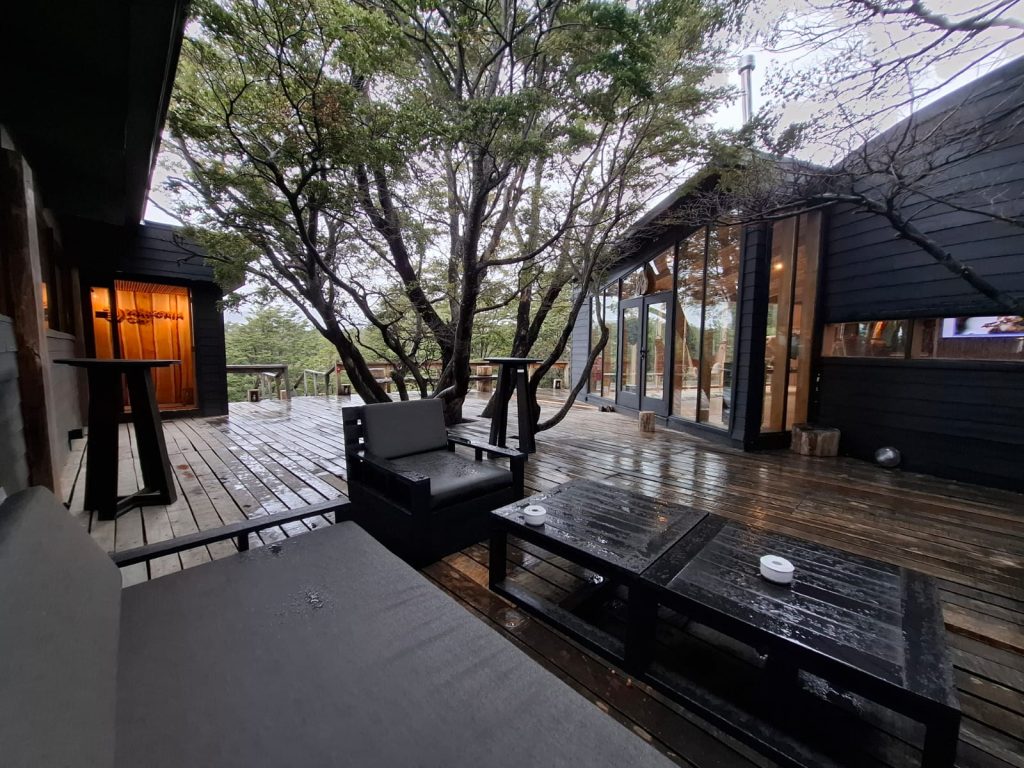
For our family trip, we chose Patagonia Camp, an exceptional lodge located just outside the park gates. This option significantly reduced daily travel time, which is especially important when travelling with children. Beyond convenience, Patagonia Camp offers a unique immersion in Patagonia’s wild beauty, creating a sense of being truly connected to nature—a highlight that makes visiting Torres del Paine with your family feel even more special.
Summary:
- Staying in Puerto Natales offers a wider range of accommodation styles and price points, but it will add significant travel time to your daily visits to Torres del Paine National Park
- Staying close to or within Torres del Paine National Park provides a deeper immersion in nature and minimizes travel time to the major attractions, though it generally costs more
Are Activities in Torres del Paine Suitable for All Ages?
Except for the mighty Torres Massif, much of Torres del Paine National Park features gentle, rolling terrain that offers a wide range of outdoor activities suitable for families of all ages and abilities.
If your family loves adventure, consider tackling the iconic Base Torres Trek or spending a full day exploring the dramatic landscapes of the French Valley. These treks are ideal for active families seeking a rewarding challenge and unforgettable views.
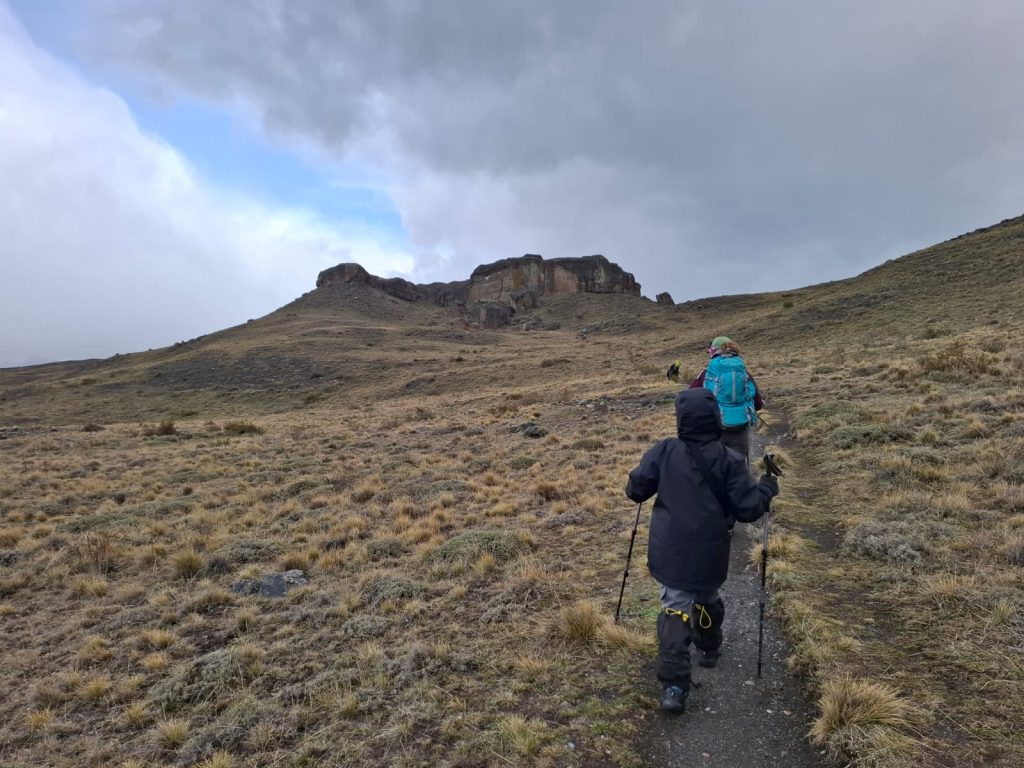
For families with younger children, there are plenty of less strenuous yet deeply enriching options. The Historical Patagonia hike is a standout choice, combining gentle walking with visits to ancient caves and the rock art of the Aonikenk people, and finishing with a panoramic viewpoint overlooking the magnificent Torres Massif.
If you are traveling with seniors or family members who prefer minimal walking, the park offers superb panoramic excursions by vehicle, allowing you to take in Torres del Paine’s most iconic viewpoints in comfort. A scenic navigation to Glacier Grey is another family-friendly experience that requires little physical exertion while still delivering extraordinary Patagonian scenery.
Ultimately, Torres del Paine is a destination for everyone. Families should not feel intimidated by its rugged reputation; instead, they can be inspired by the sheer variety of possibilities. With thoughtful planning and the right guidance, exploring Torres del Paine as a family can be not only accessible—but absolutely magical.
Summary:
- Best suited for children 10 years of age and above
- There are activities for all ages and abilities within the park and surrounding areas
- With expert guidance, discovering Torres del Paine as a family is not only easy to navigate—it’s an unforgettable and genuinely magical experience.
Being Prepared with the Right Equipment
You’ll hear guides tell you ‘Torres del Paine can have four seasons in one day,’ and they wouldn’t be wrong. On any given day in Patagonia, you could experience rain, strong winds, or even bright sunny warm days, so being prepared with the right equipment is important for enjoyment. This is even more relevant if travelling with younger children, or seniors. Although shops in Puerto Natales and many of the lodges will sell much of the equipment you may need, making sure that you are prepared with the essentials prior to arriving in Patagonia is the best approach.
You need protection from all elements — the sun, strong winds, cold, and rain. Remember, trails can become flooded after heavy rain, so keeping your feet dry is also essential.
Essential Equipment:
- Sunblock, sun hat (with strap), sunglasses, a light UV sun scarf
- Warm gloves, scarf and hat
- A waterproof windbreak jacket and pants
- Broken-in water-proof hiking shoes or boots
- Walking sticks (though many lodges will provide these)
- Layered clothing
- Fleece
- Gaiters – to protect from the mud and rain-soaked/flooded trails (though many lodges will provide these)
- A small to medium sized comfortable backpack
My Personal Experience with My Family
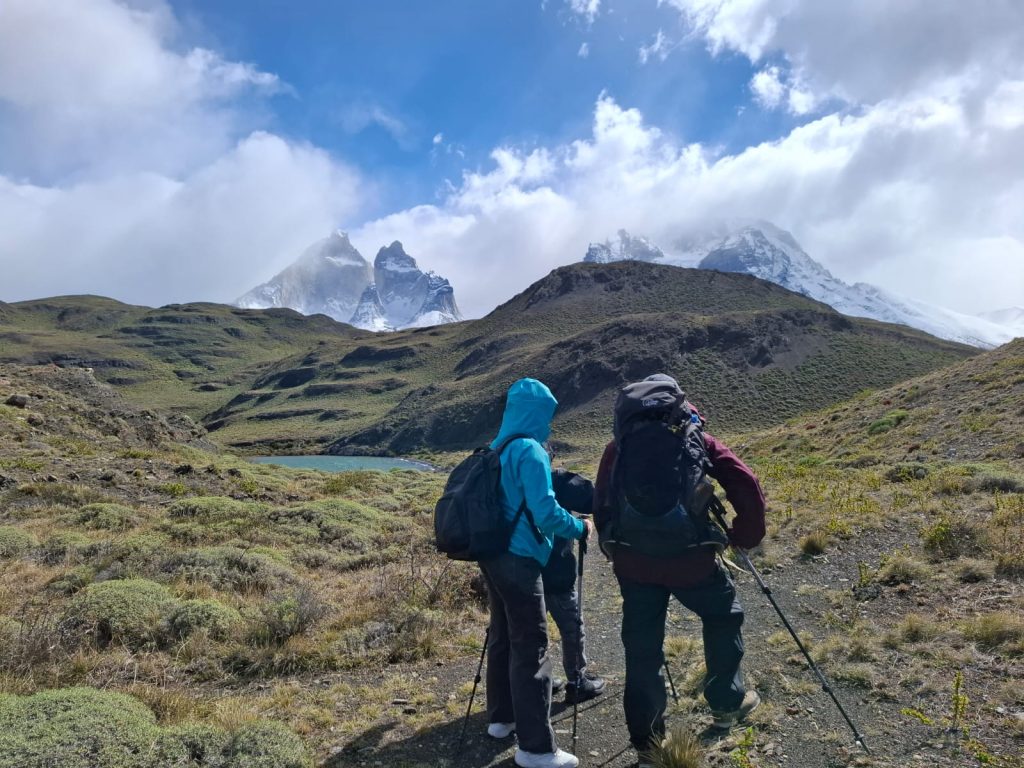
The trip was a tremendous success and watching my Generation Alpha kids leave their screens behind and immerse themselves in nature was a real joy. We chose light to moderate activities—engaging without being overwhelming—and both kids and parents loved every moment.
What truly elevated the trip were the small, unexpected experiences. Pulling on our gear and exploring quieter trails led us to hidden viewpoints and natural wonders. A favorite moment was discovering a sheltered rock outcrop overlooking Lake Sarmiento, where we enjoyed hot drinks, snacks, and conversation—simple but memorable.
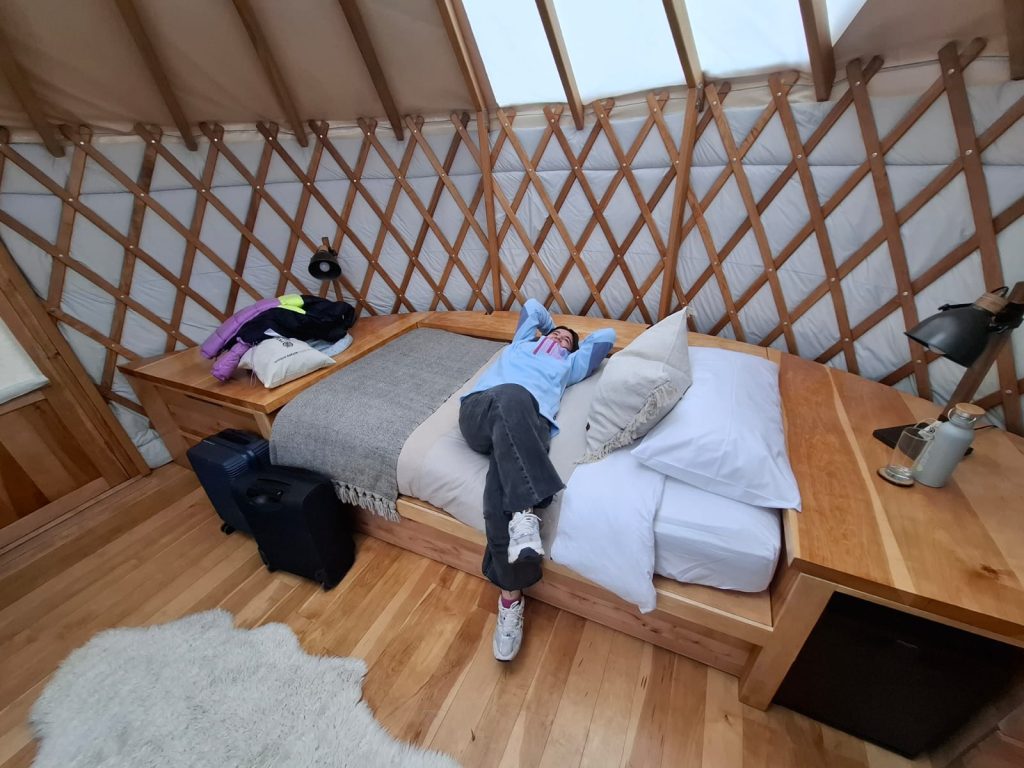
Even stepping out of our warm yurt at Patagonia Camp into the wild Patagonian winds became part of the adventure, thrilling and fun for the kids. These small, profound moments reminded us that in Torres del Paine, the magic often lies in the quiet details.
Despite my experience as a travel professional, traveling with my family revealed how underprepared I was with gear for the children. Recent heavy rain had flooded low-level trails, and although they had waterproof shoes, sturdy hiking boots would have been far better. I also realized too late that they needed waterproof pants, which were difficult to find in smaller sizes once in Patagonia.
We managed fine, but I was more worried about their comfort and safety than I would have been with proper equipment—a helpful reminder that preparation is essential when exploring Patagonia as a family.
Why I Chose Patagonia Camp for My Family
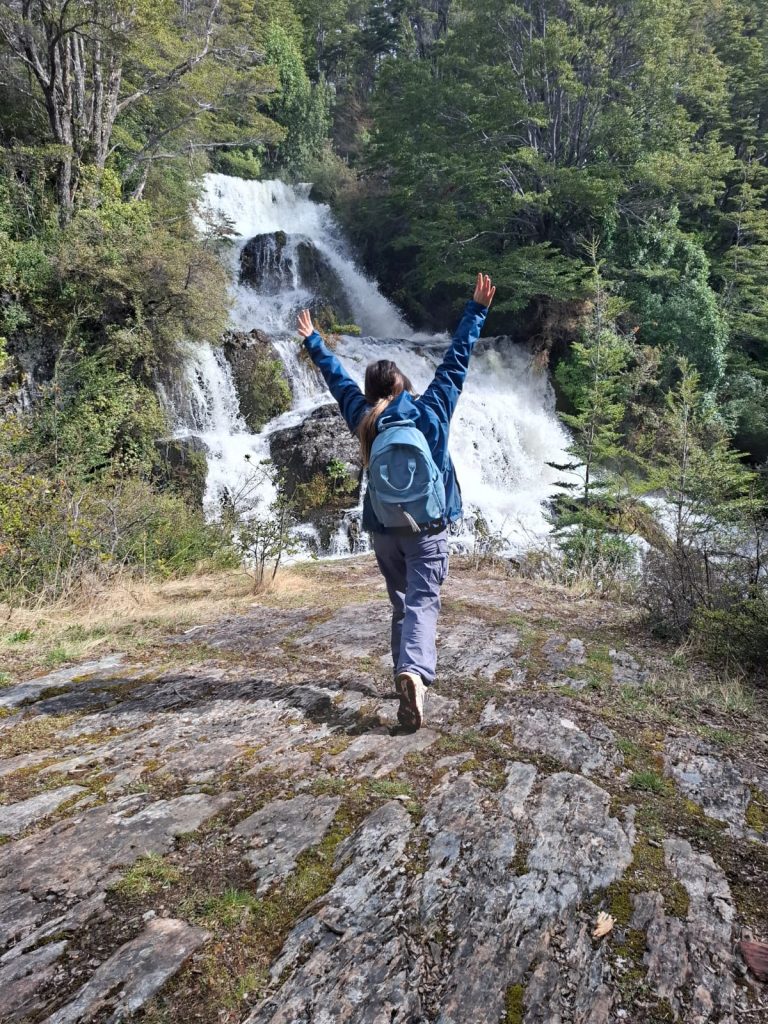
I specifically chose Patagonia Camp for our Torres del Paine family adventure because it strikes the perfect balance — slightly more relaxed than other lodges in the area, yet still offering top-notch service, excellent facilities, experienced guides, and an exceptional overall experience. The lodge also features accommodations known as “yurts,” inspired by Swedish design. For families, they offer spacious family yurts that comfortably sleep four, with two separate sleeping areas and bathroom facilities, plus a private spa-pool—ideal for both togetherness and privacy.
Safety is, of course, a key consideration for family travel. Patagonia Lodge provides peace of mind with highly trained guides, fully equipped transport with experienced drivers, and advanced equipment such as satellite phones. When you venture out to explore the national park, you can relax knowing you’re in capable hands.

Plan Your Trip to Torres del Paine with Your Family
If you’re planning an unforgettable family trip to Torres del Paine, let a travel expert like myself guide you through the process. Share your expectations for the journey, and we’ll tailor a personalized itinerary for you and your family —so you too can experience the magic of Patagonia and create cherished memories for years to come.
Browse our Luxury Patagonia Tours section for more ideas on possible trips, or contact a travel expert at Totally Latin America for professional guidance on planning the perfect family trip to Torres del Paine.
Let us turn your aspirations and dreams into reality.
contact usSimilar articles
Contact your South American
expert, let the journey begin...
Toll Free USA
+ 1 855 490 8186Direct
+ 51 84 65 6421